





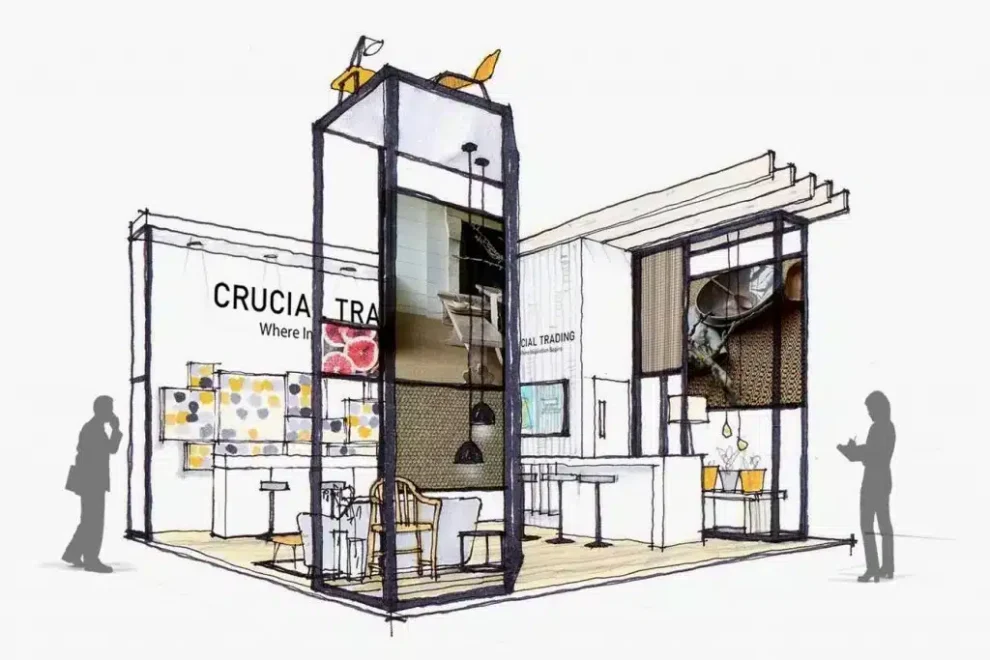
Learn 7 key rules of exhibition booth design, from layout and lighting to materials and structure, and build a booth that stands out and attracts attention.
Exhibition Booth Design: Key Principles, Structures, and Visual Impact
Exhibition booth design plays a critical role in how a brand is perceived during a trade show. A well-designed booth isn’t just a display space — it’s a strategic marketing tool that can attract visitors, build trust, and deliver a memorable brand experience.
This article explores essential principles of booth design, from layout and construction standards to lighting, lightbox types, signage materials, and structural requirements for different booth types.
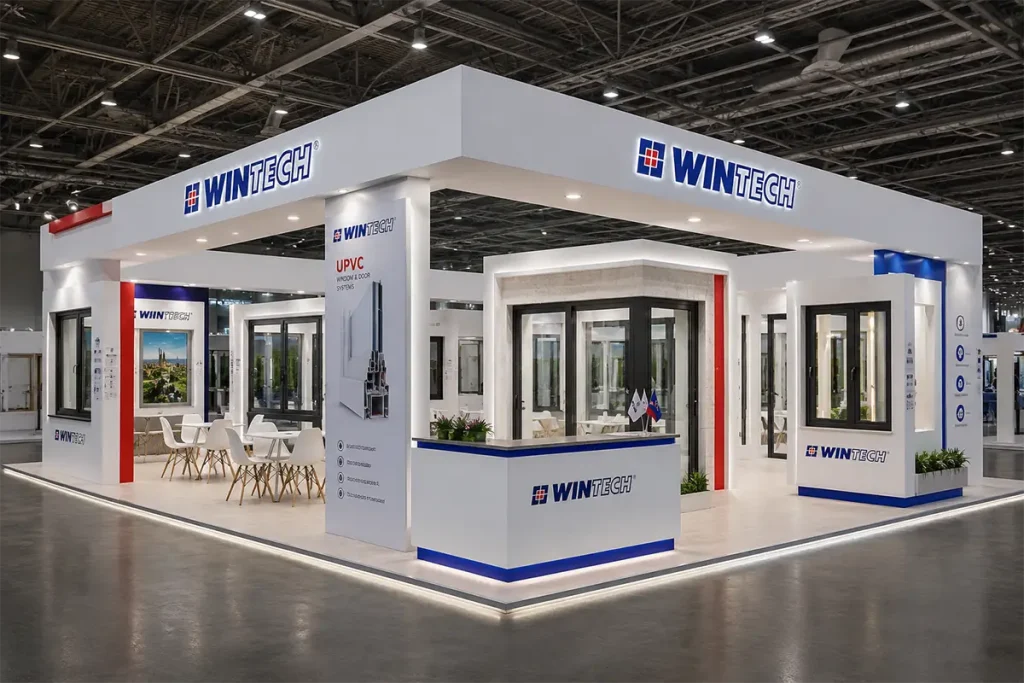
What Is Exhibition Booth Design and Why Is It Important?
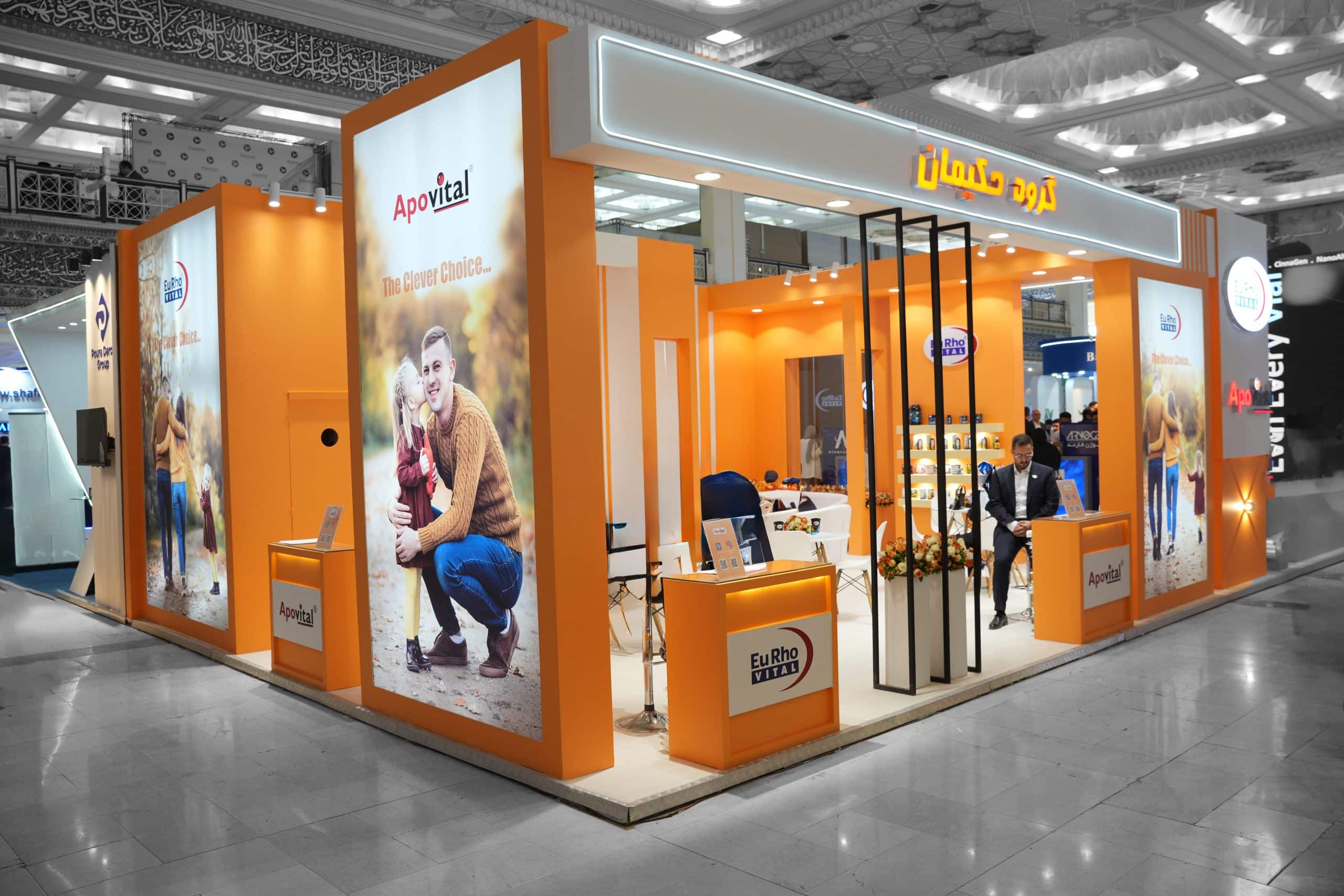
Booth design is a multidisciplinary process combining marketing strategy, brand identity, and technical feasibility. A well-designed booth captures attention in seconds and communicates your message visually, engaging visitors and maximizing your presence.
Booth Design Principles and Execution Standards
- All walls and structures must meet exhibition safety standards and pass inspection by certified engineers.
- Curved, suspended, or oversized forms must be structurally feasible and stable.
- Glass elements in medium or large sizes must be tempered (safety glass) to comply with exhibition rules.
Types of Exhibition Booths
- Single-sided booth
- Double-sided booth
- Three-sided booth
- Island booth (open on all four sides)
- L-shaped booth
- Two-story booth: Steel structure, 3–4m column spacing, minimum 90cm guardrail, and no large enclosed areas on the upper level for safety.
Common Structural Materials in Booth Design
- Chipboard (low-cost, suitable for simple layouts)
- MDF (for more detailed and premium structures)
- Steel frames (used for tall or complex booths)
- Stretch fabric systems (used for soft forms and ceilings)
- 3D mockups (branded sculptures or thematic elements)
Essential Components in Booth Layout
- Storage rooms (for materials, staff items, giveaways)
- Mini pantries (for refreshments and internal use)
- Reception desks (visitor interaction point)
What Is a Lightbox? Types and Applications
A lightbox is a backlit visual element used to highlight branding, logos, or products within a booth. Two common types include:
- Built-in lightbox: Integrated into the booth wall with recessed cutting
- Surface-mounted lightbox: Roughly 15cm thick, stands out visually
Lightbox Print Materials
- Flex: cost-effective, unlimited size, lower quality
- Textile: fabric-based, high print quality
- Backlit film: excellent quality but size-limited
Types of Signage Used in Booths
- Styrofoam with sticker coating
- Plain stickers directly on surfaces
- Styrofoam with plexiglass overlay
- Standalone cut plexiglass letters
Lighting in Exhibition Booth Design
- LED floodlights: for general ambient lighting
- Track lights & halogens: for focused spot lighting
- Tube lights: for use inside lightboxes
- LED strips & neon: for hidden or linear lighting accents
- Power outlets (multi-plug): must be placed in key areas for access
Steps in the Booth Design Process
- Understanding the brand’s exhibition goals
- Creating a layout plan and spatial zoning
- Developing 3D renderings and visual previews
- Incorporating client feedback and finalizing the concept
Common Mistakes in Booth Design
- Unbuildable or structurally unsafe concepts
- Poor circulation or unclear visitor flow
- Weak or insufficient lighting
- Lack of visual harmony between graphics and structure
Why Choose Sakou for Your Booth Design?
Sakou Design combines creative designers, hands-on fabrication, a certified workshop, and Grade A approval from Tehran International Exhibition. We offer custom booth design tailored to your brand, audience, and industry goals.

برای دریافت مشاوره تخصصی و ثبت سفارش، همین حالا با ما در ارتباط باشید.

