


In today’s competitive retail landscape, product quality alone is not enough. The way products are presented significantly impacts customer behavior. One of the most powerful yet often underestimated tools is store lighting. Proper lighting not only enhances the visual appeal of your store but also shapes the customer’s mood, perception of your brand, and even their buying decisions. In this article, we explore the essential principles of effective store lighting, practical techniques, common mistakes, and how to align lighting with modern retail design.
Why Store Lighting Matters
Store lighting goes far beyond aesthetics. It plays a psychological role by creating a welcoming atmosphere and guiding the customer through the space. Properly designed lighting can highlight key products, draw attention to promotional zones, and increase the time customers spend browsing. Studies have shown that warm, well-balanced lighting encourages comfort and can boost sales, while harsh or dim lighting often results in reduced customer engagement.
Types of Store Lighting
- Ambient Lighting: This provides general illumination and sets the tone for the entire store.
- Accent Lighting: Used to draw attention to specific areas or products, such as featured displays.
- Decorative Lighting: Adds style and reinforces the brand image through unique fixtures or creative lighting arrangements.
A smart combination of these lighting types creates a layered effect, enhancing depth and atmosphere throughout the store.
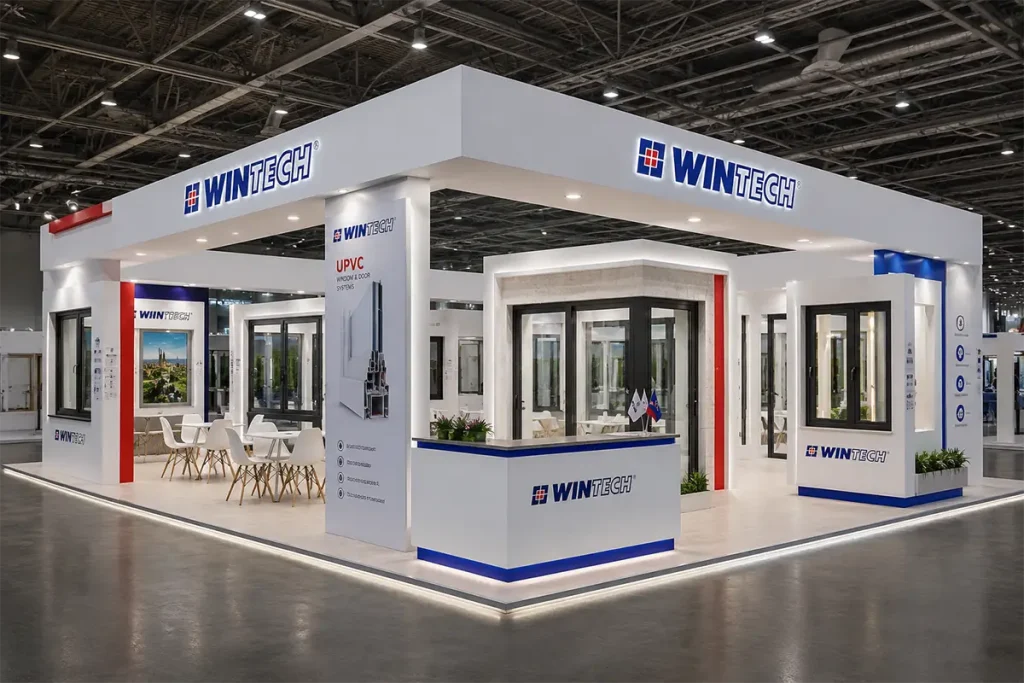
Window Display Lighting: Your Store’s First Impression
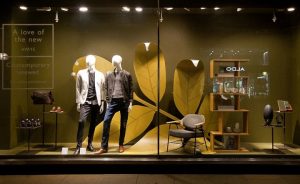
The store window is often the first point of visual contact with potential customers. Strategic lighting in this area can dramatically increase foot traffic. Spotlights and directional lighting help to emphasize feature products, while soft, warm lighting adds an inviting feel. Balance between intensity and color temperature is key to avoid overwhelming or underwhelming the passerby.
Lighting for Fashion and Beauty Stores
In clothing stores, lighting plays a key role in how true colors appear. Warm white or natural light (3000K to 4000K) is typically preferred to help customers see clothing in the most accurate way. In fitting rooms, soft, flattering light encourages positive feelings and increases the likelihood of purchase.
In contrast, beauty and cosmetic stores benefit from bright, cool white lighting (around 5000K) with a high Color Rendering Index (CRI) to accurately display makeup and skincare products. This instills trust in customers and enhances the premium experience.

Modern Retail Design and Lighting Integration
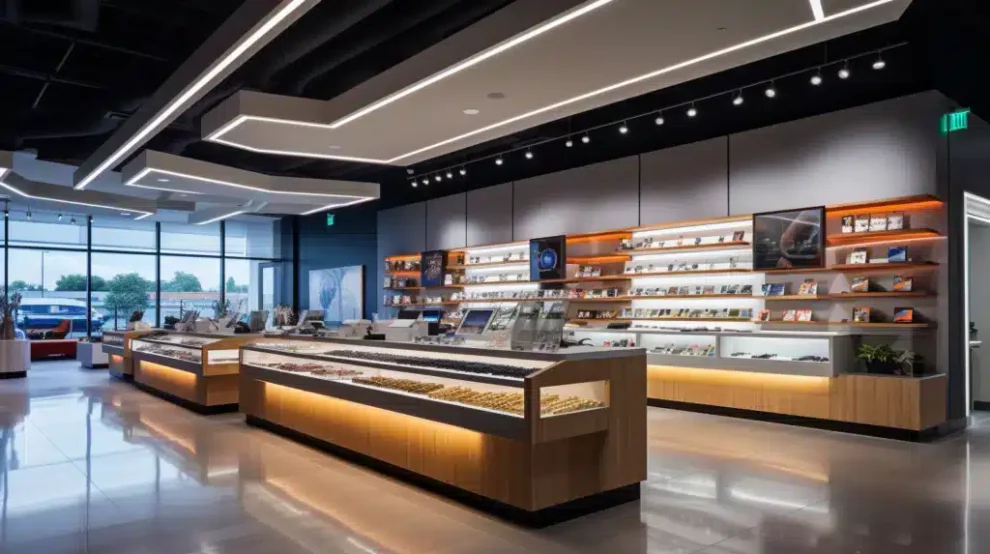
In contemporary retail environments, lighting is not just functional—it is part of the design language. Recessed linear LED fixtures, floating ceiling panels with embedded lights, and illuminated shelving units all contribute to a sleek, high-end ambiance. In modern store design, lighting is used to define space, not just brighten it.
Choosing the Right Light Color for Different Retail Settings
- Clothing Stores: Warm or neutral lighting to enhance color perception and comfort.
- Beauty Stores: Cool white lighting to reflect product tones accurately.
- Electronics & Modern Retail: Sharp white or daylight LEDs for a clean, tech-savvy feel.
- Luxury Retail: Layered lighting using spots, accent LEDs, and pendant lights to create a high-end aesthetic.
Combining warm and cool lights in the same space can offer a dynamic contrast if done thoughtfully.
Common Mistakes in Store Lighting
- Using overly harsh or dim lighting.
- Relying on a single type of lighting throughout the store.
- Ignoring the effect of light color temperature on product appearance.
- Failing to highlight promotional areas or best-selling products.
These mistakes can make even the best-designed store appear flat, disjointed, or uninviting.

Aligning Lighting with Store Layout
Effective lighting should complement the store layout. Main aisles should have even, ambient lighting to encourage flow, while special displays or feature zones should be emphasized with brighter, accent lighting. Lighting should also coordinate with wall colors, flooring materials, and ceiling textures to create a coherent visual experience.
Conclusion: Lighting as a Sales Strategy
Store lighting is not just a technical requirement; it’s a strategic investment. The right lighting design can influence how customers perceive your brand, interact with your products, and ultimately, whether they make a purchase. Retailers who approach lighting as part of their overall brand and sales strategy often see measurable improvements in customer satisfaction and revenue. If you’re aiming to elevate your store’s look and feel while driving sales, professional lighting design is the first step.
برای دریافت مشاوره تخصصی و ثبت سفارش، همین حالا با ما در ارتباط باشید.

