


Storefront window displays are among the most powerful tools for attracting customers. This section of your store is the very first point of contact between your brand and potential buyers. If designed effectively, your display can draw people in from outside and lead them straight into the buying process. In this article, we’ll explore professional principles of visual merchandising that help you engage shoppers and increase sales.
The Importance of Storefront Display in Driving Sales
Your store window is more than just a product showcase—it’s a strategic marketing asset. Customers often decide whether to walk in based on how attractive the window looks. Studies show that over 70% of purchase decisions are influenced by visual cues. That’s why a well-designed storefront plays a critical role in increasing sales.
How Window Displays Influence Buying Behavior
An organized, eye-catching display not only grabs attention but also triggers a desire to buy. Smart use of lighting, color, and layout can strongly influence purchasing decisions.
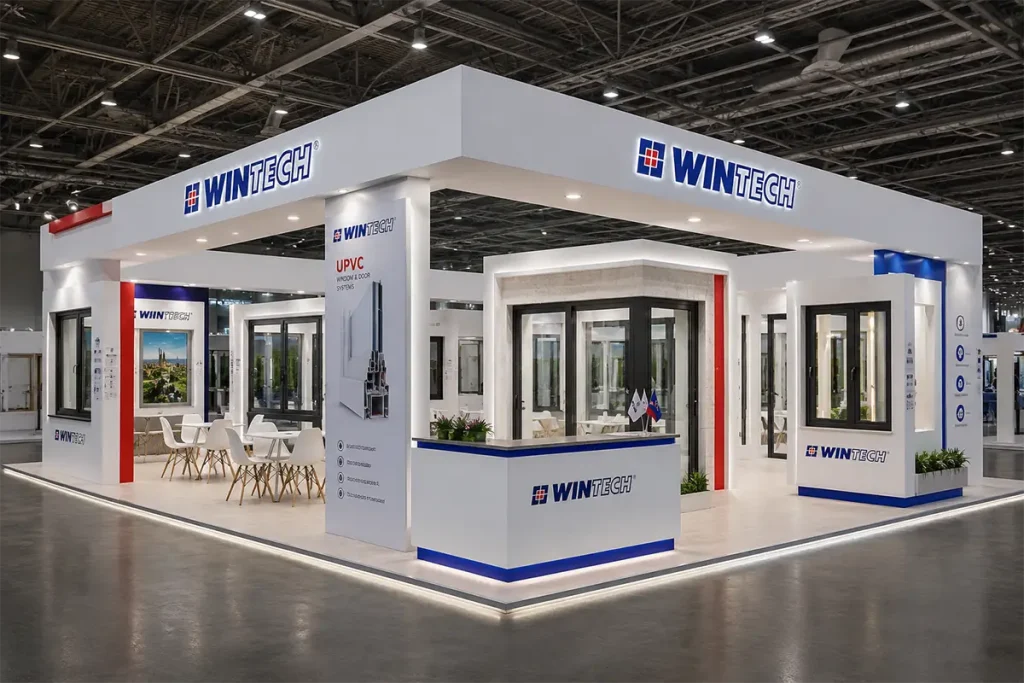
Psychological Principles in Storefront Display Design
Psychology plays a crucial role in visual merchandising. The human brain responds instinctively to visual elements such as color, symmetry, light, and form. Applying these psychological principles can stimulate emotions and motivate people to enter the store.
Color Psychology in Window Displays
Warm tones like red, orange, and yellow evoke excitement and urgency, while cooler colors like blue and green suggest calm, luxury, and trust. Choosing the right color based on product type and target audience is essential.
Professional Lighting in Storefront Displays
Lighting is one of the most important factors in catching a shopper’s eye. Proper lighting can highlight products, create visual depth, and guide the customer’s gaze to key areas.

Effective Lighting Techniques
- Use spotlighting to emphasize featured products
- Apply backlighting or linear lights to create depth
- Use colored lighting for seasonal events (e.g. Yalda, Nowruz, Black Friday)
Form and Structure in Display Layout
A well-planned display layout guides the eye naturally from one focal point to another. The most effective layouts use triangular patterns, diagonal lines, or tiered structures.
Shaping Techniques for Display Design
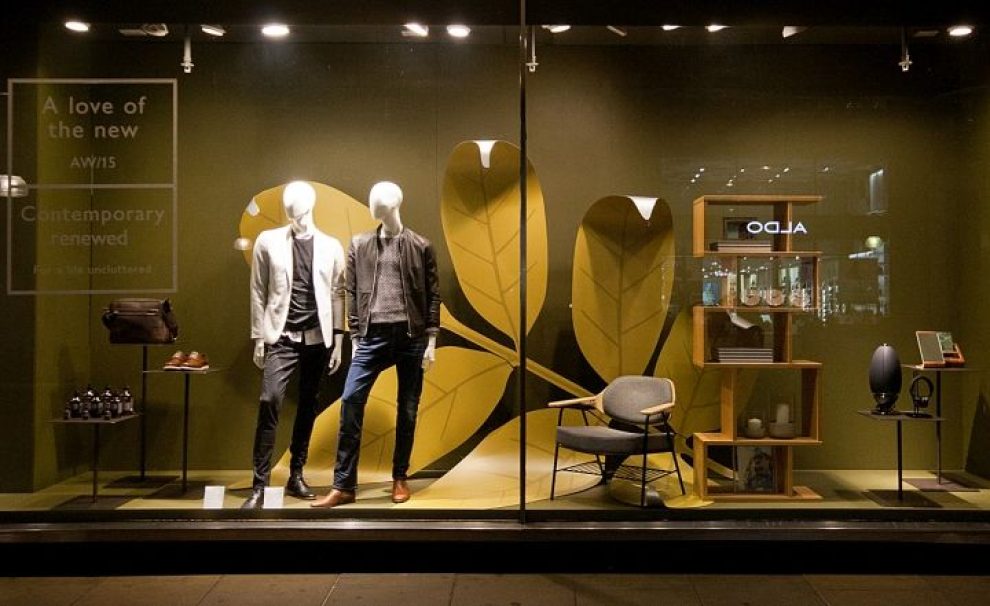
Incorporate display stands at varying heights, place best-selling products in the focal zone, and combine materials like wood, glass, and metal to capture attention.
Common Mistakes in Storefront Displays
- Overcrowding and lack of a clear message
- Improper or insufficient lighting
- Failure to update displays seasonally or during promotional campaigns
- Poor coordination between product colors and the store’s branding
Pro Tips for Eye-Catching Window Displays
- Create a narrative using themed displays (e.g. travel, nature, or tech)
- Use mirrors to enhance depth and space
- Place a central mannequin to draw direct attention
- Display signature products at eye level
How We Can Help
With years of experience designing and installing storefront displays, Sakou is ready to deliver tailored visual merchandising services. We combine targeted lighting, psychological design, strategic layouts, and color expertise to create storefronts that are not only beautiful but truly drive sales.

برای دریافت مشاوره تخصصی و ثبت سفارش، همین حالا با ما در ارتباط باشید.

